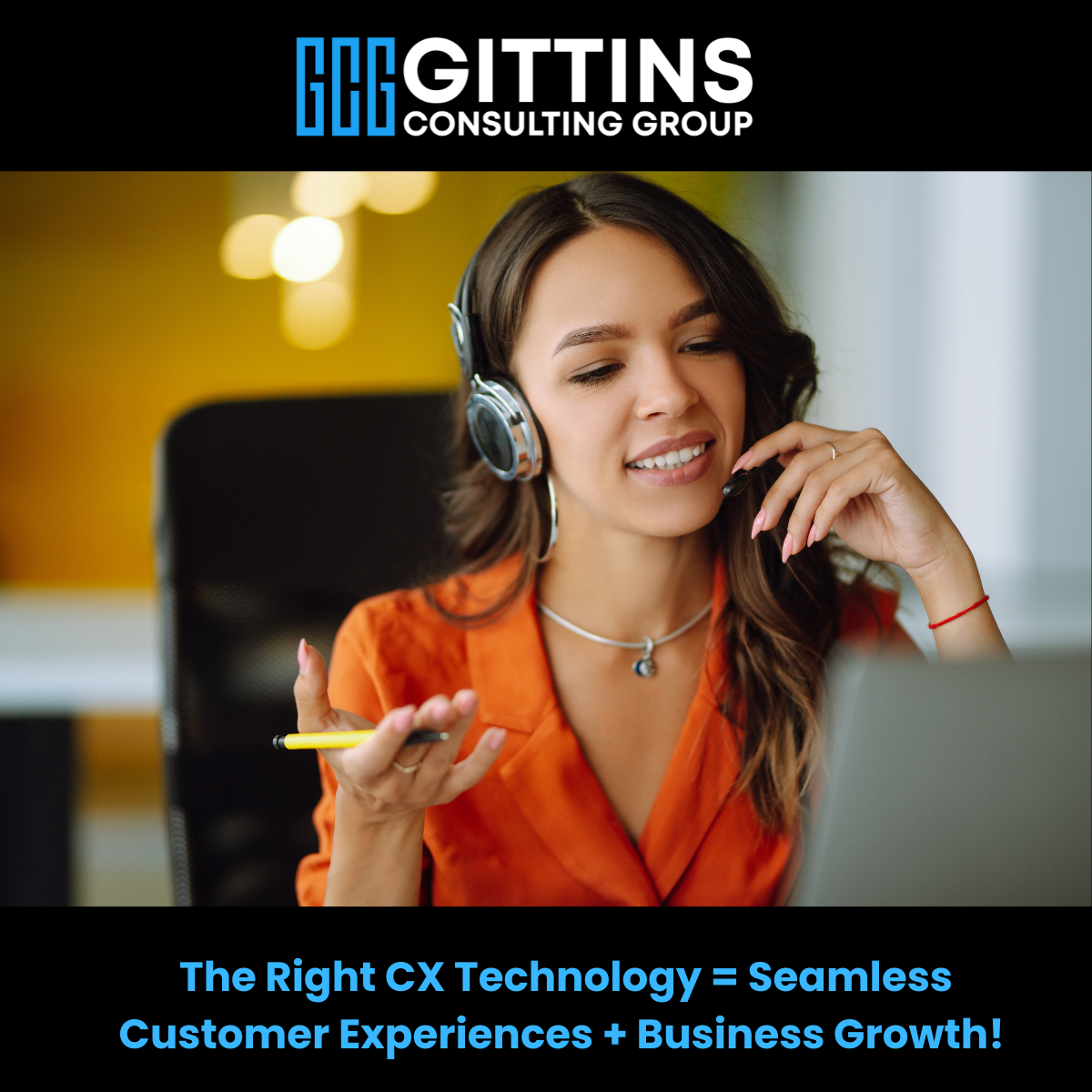
In today’s fast-paced business environment, choosing the right Customer Experience (CX) technology is key to improving customer satisfaction, efficiency, and growth. With countless options available, businesses must focus on three core pillars: understanding customers, aligning technology with business goals, and seamless integration.
➡️ Understanding Your Customers
A customer-first approach ensures CX technology enhances engagement and loyalty. Analyzing customer data, feedback, and behaviors helps pinpoint pain points and create personalized experiences.
✅ Pros: Personalized interactions foster deeper relationships, driving repeat business and referrals.
❌ Cons: Data privacy concerns and investment in analytics can be resource-intensive.
➡️ Aligning Technology with Business Objectives
CX technology must support strategic goals like reducing wait times, improving service quality, or enhancing engagement to deliver real impact.
✅ Pros: Improves efficiency, automates tasks, and ensures measurable ROI.
❌ Cons: Misalignment wastes resources, and over-reliance on tech can diminish human interaction.
➡️ Ensuring Seamless Integration
For CX tech to be effective, it must work harmoniously with existing CRM, analytics, and communication tools to prevent inefficiencies.
✅ Pros: Creates consistent customer journeys and smooth operations.
❌ Cons: Integration challenges may require expertise and additional costs.
➡️ Making the Right Choice
Selecting CX technology isn’t just technical—it’s strategic. By understanding customers, aligning technology with goals, and ensuring integration, businesses unlock CX’s success.